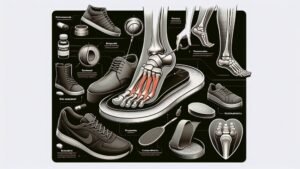
Plantar fasciitis is a common foot problem. It causes pain in the heel and bottom of the foot. Many people feel pain when they walk or stand. One way to feel better is to wear the right shoes. But how do you choose good shoes for plantar fasciitis? This guide will help you understand what to look for.
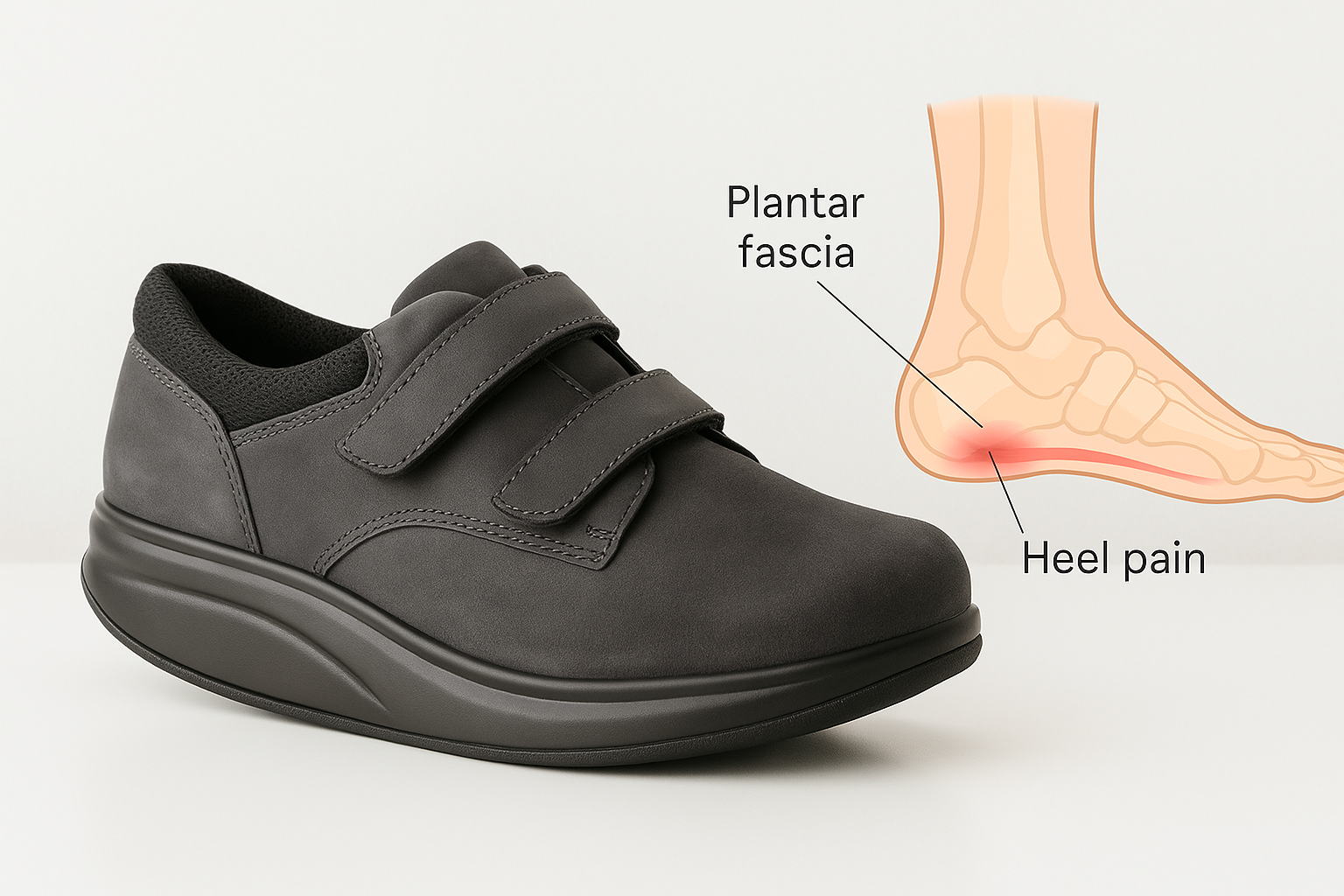
Credit: www.tdotherapy.co.uk
What Is Plantar Fasciitis?
The plantar fascia is a thick band of tissue. It connects your heel bone to your toes. It supports the arch of your foot. When this tissue gets inflamed or torn, it causes pain. This pain is called plantar fasciitis.
People with plantar fasciitis often feel sharp heel pain. The pain is worse in the morning or after resting. It can make walking and standing hard. Good shoes help reduce pain and support the foot.
Why Choose Special Shoes?
Normal shoes may not give enough support. They can make the pain worse. Shoes made for plantar fasciitis help by:
- Supporting the arch of the foot.
- Cushioning the heel to absorb shock.
- Keeping the foot stable and balanced.
- Reducing pressure on the plantar fascia.
Good shoes can help you walk without pain. They also help your foot heal faster.
Key Features to Look For
When you shop for plantar fasciitis shoes, look for these features:
| Feature | Why It Matters | What to Look For |
|---|---|---|
| Arch Support | Supports the foot’s arch and reduces strain. | Firm arch support, not too soft or flat. |
| Heel Cushioning | Absorbs shock and reduces heel pain. | Thick, soft padding under the heel. |
| Good Sole | Offers stability and absorbs impact. | Flexible but firm sole with shock absorption. |
| Proper Fit | Prevents extra pressure and rubbing. | Snug but not tight, enough toe space. |
| Lightweight | Reduces foot fatigue and makes walking easier. | Materials that do not feel heavy. |
| Durability | Lasts longer and provides constant support. | Strong materials and good construction. |
Types of Shoes for Plantar Fasciitis
There are many shoe types. Some are better than others for plantar fasciitis. Let’s look at common types:
1. Running Shoes
Running shoes often have good arch support. They also have cushioned soles. They can be good for plantar fasciitis if they fit well. Choose running shoes made for support, not just speed.
2. Walking Shoes
Walking shoes are designed for comfort. They have good heel cushioning. These shoes help reduce pain when you walk a lot.
3. Orthopedic Shoes
Orthopedic shoes are made for foot problems. They offer strong support and cushioning. They can be more expensive but help many people.
4. Sandals With Support
If you like open shoes, look for sandals with arch support. Not all sandals are good. Choose those with firm soles and heel cushions.
5. Custom Orthotics
Sometimes, you may need special shoe inserts. These orthotics fit inside your shoes. They support your foot exactly where needed. You can use orthotics with many shoe types.

Credit: orthoticshop.com
How to Find the Right Size and Fit
Wearing the wrong size shoe can cause more pain. Here are some tips to find the right fit:
- Measure your feet at the end of the day. Feet swell during the day.
- Try shoes with the socks you usually wear.
- Make sure there is about a thumb’s width between your longest toe and the shoe tip.
- The shoe should feel snug but not tight anywhere.
- Walk around the store to check comfort.
- Check that your heel fits well and does not slip.
Tips for Buying Plantar Fasciitis Shoes
Keep these tips in mind when buying your shoes:
- Try shoes later in the day when feet are bigger.
- Bring your old shoes to compare fit and size.
- Walk on different surfaces to test shoes.
- Ask the store staff for help and advice.
- Look for shoes with a money-back guarantee.
- Replace shoes regularly; worn shoes lose support.
How to Care for Your Shoes
Taking care of your shoes helps them last longer. Follow these simple steps:
- Keep shoes clean by wiping them after use.
- Air them out to avoid bad smells.
- Do not use shoes for activities they are not made for.
- Replace insoles if they get worn out.
- Store shoes in a dry, cool place.
Additional Ways to Help Plantar Fasciitis
Shoes are very important. But you can do more to feel better:
- Stretch your feet and calves daily.
- Use ice packs to reduce pain and swelling.
- Avoid walking barefoot on hard floors.
- Maintain a healthy weight to reduce foot pressure.
- Rest your feet when they hurt.
Summary Table: What to Look For in Plantar Fasciitis Shoes
| Feature | Importance | Example |
|---|---|---|
| Arch Support | Reduces strain on plantar fascia | Firm arch insert or built-in support |
| Heel Cushioning | Absorbs impact and reduces pain | Gel or foam padding in heel |
| Proper Fit | Prevents rubbing and extra pressure | Snug shoe with enough toe space |
| Shock Absorbing Sole | Protects foot from hard surfaces | Rubber or EVA sole |
| Lightweight | Makes walking easier | Light materials like mesh or knit |
Final Thoughts
Choosing the right shoes for plantar fasciitis is very important. The right shoes can reduce pain and help your foot heal. Look for good arch support, heel cushioning, and proper fit. Take time to try different shoes. Remember to care for your shoes well.
Also, combine good shoes with stretches and rest. This helps your feet feel better faster. With patience and the right shoes, plantar fasciitis pain can get much less. Walk comfortably again. Take care of your feet every day.
Frequently Asked Questions
What Features Should Plantar Fasciitis Shoes Have?
Look for good arch support, cushioning, and a firm heel cup for stability.
How Do Plantar Fasciitis Shoes Reduce Foot Pain?
They support the arch and absorb shock, easing pressure on the plantar fascia.
Can Regular Shoes Cause Plantar Fasciitis Pain?
Yes, shoes without support or cushioning can worsen plantar fascia pain.
How To Choose The Right Size For Plantar Fasciitis Shoes?
Pick shoes that fit well, with enough room for toes and no tight spots.