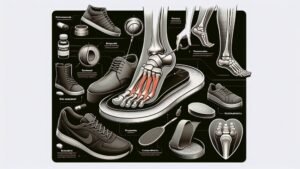
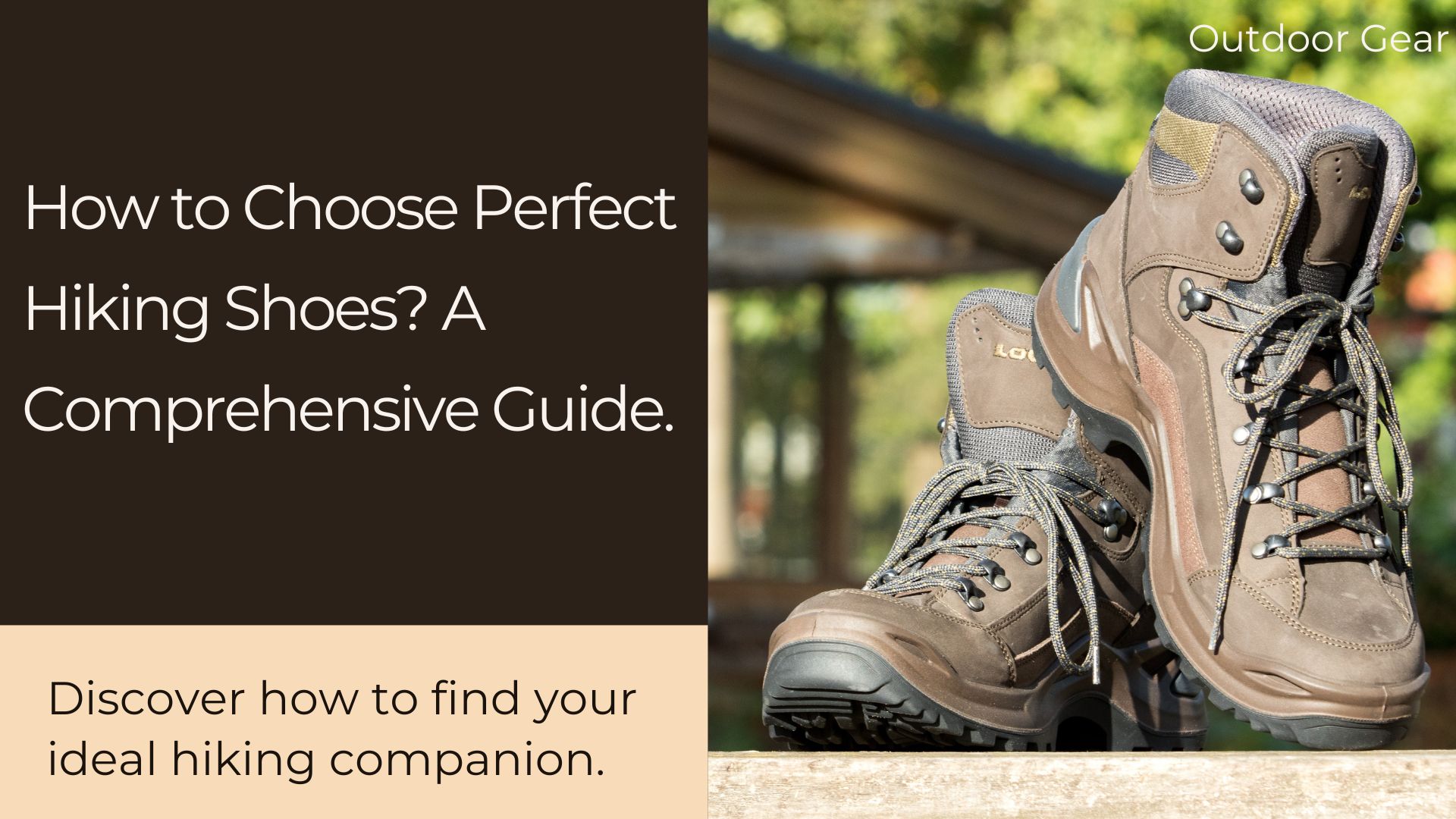
Hiking is a great way to enjoy nature and get some exercise. But to enjoy hiking, you need the right shoes. Hiking shoes protect your feet and give you comfort on rough paths. This guide will help you choose the best hiking shoes for your adventures.
Why Are Hiking Shoes Important?
Hiking shoes are different from regular shoes. They have special features that help you walk on rocky, wet, or uneven ground. Good hiking shoes can prevent injuries like slips, falls, and blisters. They also keep your feet dry and warm.
Without the right shoes, hiking can be hard and painful. So, choosing good hiking shoes is very important.
Types of Hiking Shoes
There are many types of hiking shoes. Each type suits different hiking styles and places. Here are the main types:
| Type | Description | Best For |
|---|---|---|
| Trail Runners | Lightweight and flexible shoes. Like running shoes but made for trails. | Easy trails, fast hiking, and dry conditions. |
| Hiking Shoes | Sturdy and supportive. Usually low-cut or mid-cut. | Moderate trails, day hikes, and light backpacks. |
| Hiking Boots | Heavier and more protective. Often high-cut to cover ankles. | Rough trails, heavy backpacks, and wet or cold weather. |
| Backpacking Boots | Strong and very supportive boots for carrying heavy loads. | Long trips and rough terrain with heavy backpacks. |
How to Choose the Right Hiking Shoe
When choosing hiking shoes, think about these factors:
1. Type Of Hiking
What kind of hiking will you do? Easy walks or tough mountain trails? Light hiking shoes work for easy paths. For hard hikes, choose boots with more support.
2. Fit And Comfort
Good fit is very important. Shoes that are too tight cause blisters. Shoes too loose cause your foot to slip inside. Try shoes with hiking socks on. Walk in the store to feel comfort.
Make sure there is some space at the toe. Your toes should not hit the front when walking downhill.
3. Weight Of The Shoe
Lighter shoes are easier to walk in. But lighter shoes may have less support and protection. Heavy boots give support but can tire you faster. Choose the balance that suits your hike.
4. Shoe Material
Hiking shoes come in leather, synthetic, or a mix.
- Leather: Strong and durable. Good for rough trails. Takes time to break in.
- Synthetic: Lighter and dries faster. Good for wet places. Less durable.
- Mixed: Combines leather and synthetic. Offers balance of strength and weight.
5. Waterproof Or Not?
Waterproof shoes keep your feet dry. But they can be less breathable. If you hike in wet or muddy places, waterproof shoes help. For dry and hot areas, non-waterproof shoes are better to avoid sweaty feet.
6. Sole And Grip
The sole protects your feet and helps you walk safely. Look for shoes with good traction. Deep lugs on the sole help on muddy or rocky paths. A stiff sole helps on rough ground. Soft soles are better for smooth trails.
7. Ankle Support
Low-cut shoes are lighter and good for easy trails. Mid-cut shoes give some ankle support. High-cut boots protect your ankles on rough or rocky trails. If you carry a heavy backpack, choose boots with ankle support.
Tips for Trying Hiking Shoes
Follow these tips to find the right shoes:
- Try shoes in the afternoon when your feet are a bit swollen.
- Wear the socks you plan to use for hiking.
- Walk on different surfaces if possible, like carpet and hard floor.
- Check if the shoes feel comfortable when walking up and down stairs.
- Make sure no part of the shoe rubs or pinches your feet.
Breaking in Your Hiking Shoes
New hiking shoes may feel stiff. This is normal. Break in your shoes before long hikes.
- Wear them around the house for short times.
- Take short walks outside to soften the material.
- Gradually increase the time you wear them.
This helps avoid blisters and discomfort during your hike.
How to Care for Your Hiking Shoes
Good care makes your shoes last longer. Follow these simple steps:
- Clean mud and dirt after each hike with a soft brush.
- Remove insoles and let shoes dry naturally.
- Do not put shoes near strong heat to dry.
- Use shoe polish or waterproof spray if needed.
- Store shoes in a cool, dry place.
Price and Budget
Hiking shoes come in many prices. Expensive shoes may have better materials. But price does not always mean better fit or comfort.
Buy shoes that fit well and suit your needs. It is better to spend on comfort and protection than just brand names.

Credit: www.youtube.com
Common Mistakes to Avoid
- Buying shoes without trying them on first.
- Choosing shoes only by looks, not comfort.
- Ignoring the type of terrain you will hike.
- Not breaking in new shoes before a long hike.
- Wearing old or worn-out shoes for hiking.
Summary Table: Choosing Hiking Shoes
| Factor | What to Look For |
|---|---|
| Type of Hiking | Easy trails = light shoes; tough trails = boots |
| Fit | Comfortable, some toe space, no slipping |
| Weight | Balance between lightness and support |
| Material | Leather for durability; synthetic for lightness |
| Waterproof | Needed for wet conditions; avoid if hot weather |
| Sole | Good grip and protection for your trail type |
| Ankle Support | More support for rough terrain or heavy loads |
Credit: xdogtrekking.com
Frequently Asked Questions
What Type Of Hiking Shoes Suit Different Terrains?
Different terrains need specific shoes: trail shoes for easy paths, boots for rough, rocky trails.
How To Choose Hiking Shoes For Wet Conditions?
Pick waterproof shoes with good drainage and non-slip soles for wet or muddy trails.
Should Hiking Shoes Be Tight Or Loose?
Shoes should fit snugly but not tight. Enough room to wiggle toes is important.
How To Break In New Hiking Shoes Fast?
Wear new shoes at home or short walks to soften them before long hikes.
Conclusion
Choosing hiking shoes is not hard if you know what to look for. Think about your hiking style and where you will go. Always choose comfort and safety first. Try shoes on and break them in before big hikes.
Good hiking shoes help you enjoy every step on the trail. They protect your feet and make hiking fun. Take your time to find the right pair. Your feet will thank you.