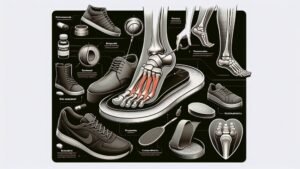
Climbing shoes are very important for anyone who wants to climb rocks or walls. The right shoes help you climb better and feel safe. But how do you choose the right climbing shoes? This guide will explain everything you need to know. We will keep it simple and easy to understand.
Why Are Climbing Shoes Important?
Climbing shoes are different from regular shoes. They fit tightly and have special soles. These soles help you stick to rocks and walls. Good climbing shoes give you more control. They help you stand on small edges and rough surfaces. If your shoes are wrong, climbing can be hard or even dangerous.

Credit: www.youtube.com
Types of Climbing Shoes
There are many types of climbing shoes. Each type is made for different kinds of climbing. Here are the main types:
- Neutral shoes: These are comfortable and fit like regular shoes. They are good for beginners and long climbs.
- Moderate shoes: These have a slight curve. They work well for many kinds of climbing.
- Aggressive shoes: These have a strong curve and pointy toes. They are for hard climbs and small holds.
Choosing the right type depends on your climbing style and skill level.
How Should Climbing Shoes Fit?
Fit is the most important part of choosing climbing shoes. The shoes should be tight but not painful. Your toes should be close to the front but not crushed. If your toes curl too much, the shoes are too small.
Try shoes on with the socks you will wear climbing. Some climbers prefer no socks at all. Walk around in the shoes to check comfort. Remember, climbing shoes will stretch a little with use.
Signs Of Good Fit:
- Snug fit around your heel and foot.
- Toes touch the shoe front without much space.
- No big gaps or loose areas.
- You can still move your toes a little.
Shoe Closure Types
Climbing shoes close in different ways. The type you choose can affect fit and ease of use.
| Closure Type | Advantages | Disadvantages |
|---|---|---|
| Velcro Straps | Easy to put on and take off. Good for quick stops. | May not fit as tightly as laces. |
| Laces | Adjustable fit for different foot shapes. Very secure. | Takes longer to put on and take off. |
| Slip-On | Very simple and light. Good for beginners. | Less adjustable. May be less secure. |
Choosing the Right Sole
The sole of climbing shoes is important. It needs to be sticky and strong. Most climbing shoes use rubber soles. Some soles are softer and stick better. Others are harder and last longer.
Soft soles are good for smooth rocks and small holds. Hard soles are better for rough surfaces and durability. Choose a sole that fits your climbing needs.
Materials Matter
Climbing shoes are made from different materials. Common materials include leather and synthetic fabric.
- Leather: Breathes well and stretches with your foot. Needs some time to break in.
- Synthetic: Less stretch, keeps shape well. Good for people who want a tight fit from the start.
Some shoes use a mix of materials. Think about which material feels best on your feet.
Consider Your Climbing Style
Different climbing styles need different shoes. Think about what you want to do:
- Bouldering: Short climbs with hard moves. Aggressive, tight shoes work well.
- Sport Climbing: Longer climbs with bolts for safety. Moderate shoes with comfort are good.
- Trad Climbing: Climbing with gear. Neutral, comfortable shoes help on long routes.
- Indoor Climbing: Can use many shoe types. Velcro straps are popular for easy use.
Tips for Trying Climbing Shoes
Here are some tips to keep in mind when trying shoes:
- Try shoes at the end of the day. Feet swell after walking.
- Wear the socks or no socks you plan to use.
- Test the shoes on a small climbing wall if possible.
- Walk and stand on your toes to check fit.
- Ask for help from store staff or experienced climbers.

Credit: www.climbingshoereview.com
How to Care for Your Climbing Shoes
Good care helps your shoes last longer. Here are simple care tips:
- Let shoes dry after use. Avoid direct sunlight.
- Clean soles with a brush to keep grip.
- Do not wash shoes in a washing machine.
- Store shoes in a cool, dry place.
Signs It’s Time to Replace Your Shoes
Climbing shoes wear out over time. Here are signs you need new shoes:
- Soles are very thin or have holes.
- Shoes feel too loose or stretched out.
- Rubber separates from the shoe.
- Shoes cause pain or discomfort.
If you see these signs, it is safer to get new shoes.
Summary: How to Choose Climbing Shoes
| Step | What to Do |
|---|---|
| 1 | Decide your climbing style (bouldering, sport, trad). |
| 2 | Choose shoe type (neutral, moderate, aggressive). |
| 3 | Pick closure type (velcro, laces, slip-on). |
| 4 | Try shoes on and check fit carefully. |
| 5 | Consider sole type and materials. |
| 6 | Care for shoes to keep them long-lasting. |
Choosing climbing shoes may seem hard. But with these tips, it becomes easier. Take your time and test many shoes. Find the pair that fits your feet and climbing style best. Remember, good shoes help you climb safely and enjoy the sport.
Frequently Asked Questions
How Do I Find The Right Climbing Shoe Size?
Measure your foot length and try shoes with a snug but comfortable fit.
What Type Of Climbing Shoes Suit Beginners Best?
Look for shoes with moderate stiffness and comfort for all-day wear.
Why Is Shoe Fit Important For Climbing Performance?
Good fit improves grip, control, and reduces foot pain while climbing.
Should Climbing Shoes Be Tight Or Comfortable?
Shoes should be snug but not painfully tight for better control.