
Choosing a backpack can seem easy. But there are many things to think about. A good backpack helps you carry your stuff comfortably. It also keeps your things safe. Let’s learn how to pick the right one.
Why Is Choosing the Right Backpack Important?
A backpack is not just a bag. You carry it every day or for trips. If it is too heavy or not right, it can hurt your back or shoulders. A good backpack makes your day easier. It fits your body and holds your things well.
Step 1: Know What You Need
First, think about where you will use the backpack.
- School: You need space for books and a laptop.
- Travel: You want something big and comfortable.
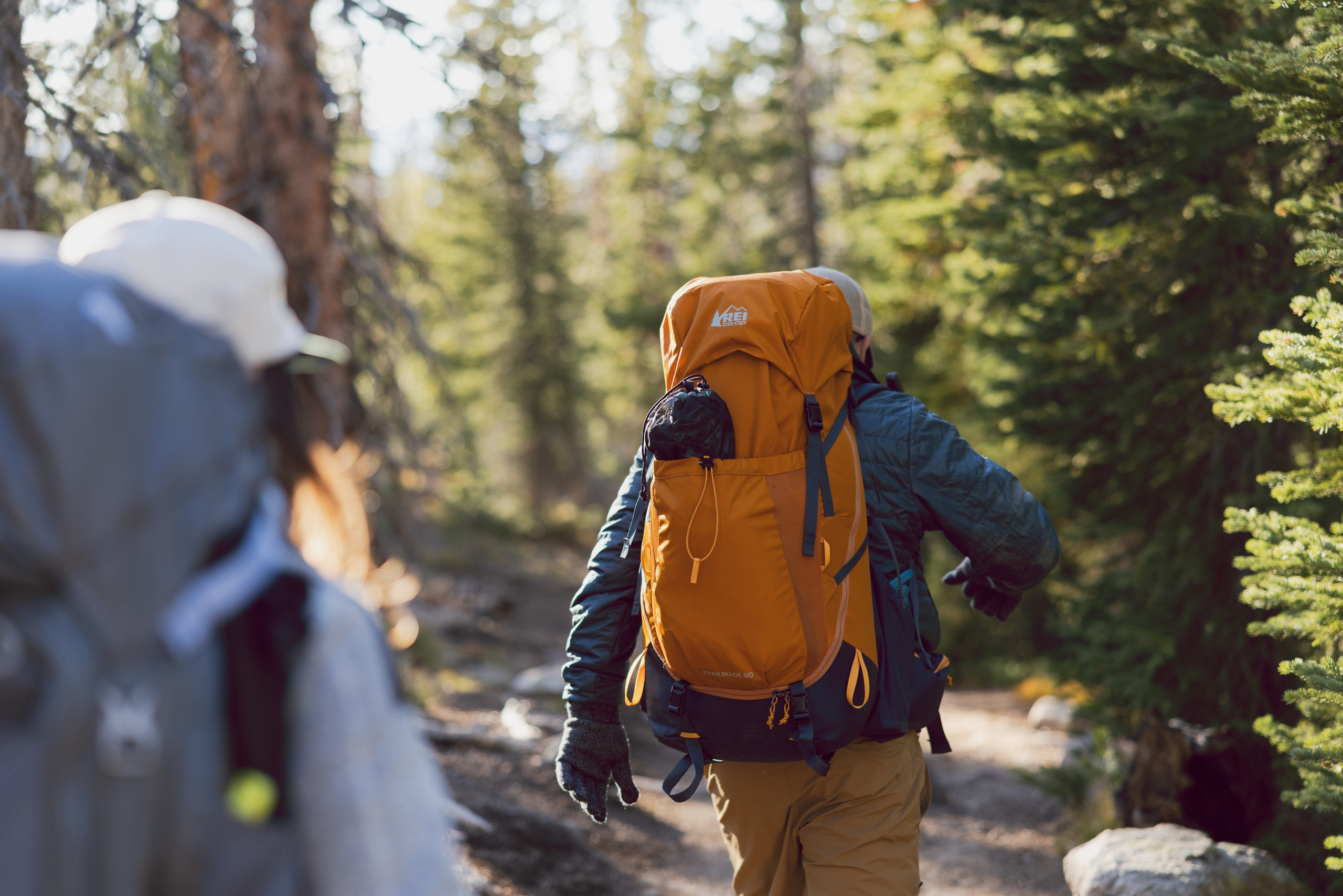
- Hiking: It should be strong and have space for water and gear.
- Work: You might need a simple, professional-looking bag.
Knowing your use helps you pick the right size and style.
Step 2: Choose the Right Size
Backpacks come in many sizes. Too small means you cannot fit your things. Too big can be heavy and hard to carry.
Think about what you carry daily. Do you need to fit a laptop? Books? Clothes? Measure your biggest items if you can.
Here is a simple guide:
| Backpack Size | Best For | Capacity (Liters) |
|---|---|---|
| Small | Day trips, light carry | 10-20 L |
| Medium | School, work, short travel | 20-35 L |
| Large | Hiking, long trips, heavy loads | 35-50+ L |

Credit: totebagfactory.com
Step 3: Look for Comfortable Straps and Back Padding
Comfort is very important. Check the shoulder straps. Are they wide and padded? Thin straps can hurt your shoulders.
Also, look at the back part of the backpack. It should have some soft padding. This padding helps your back feel good while carrying the bag.
Adjustable straps are good. You can change the length to fit your body. Make sure the backpack sits well on your back.
Step 4: Check the Weight of the Backpack
The backpack itself should not be too heavy. When empty, it should feel light. A heavy bag will make your load heavier.
Look for backpacks made from light materials. But they should also be strong and last long.
Step 5: Choose the Right Material
Backpacks come in many materials. Each has good and bad points.
- Nylon: Light and strong. Often water-resistant.
- Polyester: Durable and cheaper. Also water-resistant.
- Canvas: Heavy but tough. Good for style but not water-resistant.
Think about where you will use it. For rainy places, water resistance is important.
Step 6: Look at the Number of Compartments
Compartments help you organize things. More pockets mean easier access to your stuff.
Think about what you will carry:
- Do you have a laptop? Look for a padded laptop pocket.
- Small pockets help hold keys, phones, or pens.
- Big compartments hold books or clothes.
A backpack with many pockets helps you find things fast.
Step 7: Check for Extra Features
Some backpacks have extra features. These can be useful but not always needed.
- Water bottle holders: Easy to reach your drink.
- Reflective strips: Help you be seen at night.
- Rain cover: Protects your bag in rain.
- Chest and waist straps: Help spread the weight evenly.
Think if these extras fit your needs.
Step 8: Pick a Style You Like
Backpacks come in many colors and designs. Pick one you like. You will carry it every day. It should look good to you.
But remember, style is less important than comfort and function.
Step 9: Set a Budget
Backpacks come in many prices. Decide how much money you want to spend.
More expensive bags often have better materials and comfort. But many affordable bags work well too.
Look for the best value. A good backpack lasts a long time.
Credit: www.rei.com
Step 10: Try It On
If possible, try the backpack before buying.
- Put some weight inside, like your books or laptop.
- Wear it for a few minutes.
- Check if it feels comfortable on your back and shoulders.
- Adjust the straps to fit your body.
- Walk around to see if it moves a lot or stays in place.
This helps you know if the backpack suits you well.
Summary: Key Points to Remember
- Know why you need the backpack.
- Choose the right size for your stuff.
- Look for padded, adjustable straps and back.
- Pick a lightweight but strong material.
- Have enough compartments for your items.
- Check for extra useful features.
- Choose a style you like.
- Set a budget and try the backpack on.
Final Thoughts
Choosing a backpack takes time and thought. A good backpack helps your day go well. It keeps your things safe and your body comfortable.
Think about your needs and try many options. Don’t rush. When you find the right one, you will be happy carrying it every day.




Pingback: What is the Best Cheap Fishing Tackle Box 2026 » CheapHaven
Pingback: What is the Best Cheap Travel Backpack 2026 » CheapHaven
Pingback: What is the Best Cheap Business Backpack 2026 » CheapHaven
Pingback: Cheap Outdoor Essentials You Shouldn’T Skip » CheapHaven
Pingback: Best Cheap Lightweight Tent for Backpacking 2026 » CheapHaven