Finding the right running shoes can be tricky. But it is very important. Good shoes keep your feet safe. They help you run better. This guide will help you pick the best shoes for you.
Why Are Running Shoes Important?
Running shoes protect your feet from hard ground. They give support to your arches and heels. With wrong shoes, you can get pain or injury. Good shoes make running more fun and easy.
Know Your Feet
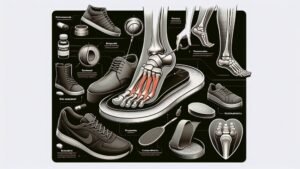
Before buying shoes, know your feet well. Are your feet flat or have a high arch? Do you put more weight on the inside or outside of your foot? These things matter when choosing shoes.
Types Of Feet
- Flat Feet: The arch is low or almost no arch.
- Normal Arch: The arch is moderate and curved.
- High Arch: The arch is very curved and high.
How To Check Your Foot Type At Home?
Wet your foot and step on a paper or floor where marks show. Look at the mark:
- Flat Feet: Most of your foot leaves a mark.
- Normal Arch: A mark in the heel, outside edge, and a line connecting them.
- High Arch: Only the heel and ball of the foot leave marks.
Understand Your Running Style
How your foot lands on the ground is called pronation. It affects what shoes you need.
Types Of Pronation
- Overpronation: Your foot rolls inward too much.
- Neutral Pronation: Your foot rolls inward just enough.
- Underpronation (Supination): Your foot rolls outward.
You can ask a store expert or use video apps to check your running style.
Types of Running Shoes
Running shoes come in many types. Each type suits different needs.
| Type | Description | Best For |
|---|---|---|
| Cushioned Shoes | Extra padding to protect feet from impact. | Runners with high arches or light pronation. |
| Stability Shoes | Support for feet that roll inward too much. | Overpronators needing extra control. |
| Motion Control Shoes | Strong support to limit foot rolling. | Severe overpronators or flat feet. |
| Minimalist Shoes | Lightweight with less padding for natural feel. | Experienced runners wanting natural foot movement. |
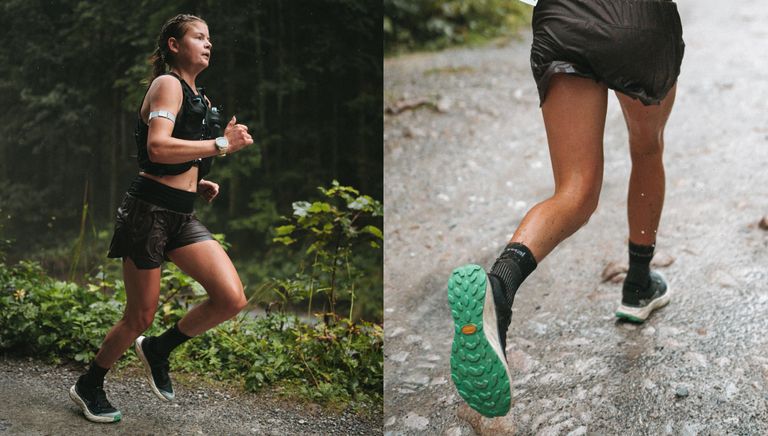
| Trail Running Shoes | Extra grip and protection for rough terrain. | Running on trails or uneven ground. |
Fit Matters Most
The fit of the shoe is very important. Shoes that are too tight or loose cause problems.
How Should Running Shoes Fit?
- There should be about a thumb’s width space at the toe.
- Shoes should hold your heel firmly.
- The shoe should feel snug but not tight.
- Try shoes later in the day when feet are bigger.
- Wear the socks you will use for running.
Material and Breathability
Good running shoes use light and breathable materials. This keeps your feet cool and dry.
Mesh fabrics are common in running shoes. They let air in and sweat out. Avoid shoes that feel heavy or hot.
Shoe Weight and Cushioning
Lighter shoes help you run faster but may have less cushioning.
More cushioning protects your feet but adds weight. Choose based on your comfort and running needs.
Replace Running Shoes Regularly
Running shoes wear out after some time. Old shoes lose their support and cushioning.
Replace shoes every 300 to 500 miles. Check for worn-out soles or less comfort.

Credit: 361sport.com
Try Shoes Before Buying
Always try shoes on both feet. Walk and jog a little in the store.
See how the shoes feel. Check for any pain or tight spots.
Credit: www.nnormal.com
Tips for Buying Running Shoes
- Buy shoes in the afternoon or evening.
- Wear your running socks while trying shoes.
- Bring your old running shoes for comparison.
- Ask store staff about the shoe’s features.
- Don’t buy shoes only because of style or color.
- Be patient. The right shoe may take time to find.
Common Mistakes to Avoid
- Buying shoes without knowing your foot type.
- Choosing shoes only by looks or price.
- Not trying shoes on before buying.
- Ignoring pain or discomfort when running.
- Waiting too long to replace old shoes.
How to Care for Your Running Shoes
Taking care of shoes helps them last longer. Here are some tips:
- Air dry shoes after running, do not use direct heat.
- Clean mud and dirt with a soft brush or cloth.
- Remove insoles and dry separately if wet.
- Store shoes in a cool, dry place.
Final Thoughts
Choosing the right running shoes helps you run safely and comfortably. Know your feet and running style. Pick shoes that fit well and suit your needs. Take time to try different shoes. Replace them when they wear out. Good shoes make running more enjoyable and reduce injury risk.
Remember, the best running shoe is the one that feels right for you.