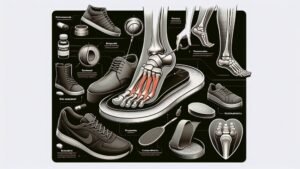
Boots are more than just shoes. They protect your feet. They keep you warm. They also add style to your outfit.
But how do you pick the right boots? There are many types and styles. This guide will help you choose boots that fit your needs.
Why Choosing the Right Boots Matters
Wearing the wrong boots can cause problems. Your feet may hurt. You may slip or fall. Your boots may wear out fast.
Right boots give comfort and safety. They last longer. They look good too.
Step 1: Know Why You Need Boots
First, think about when you will wear the boots.
- Work: Boots for work need to be strong and safe.
- Hiking: Hiking boots should be light and have good grip.
- Winter: Winter boots must keep your feet warm and dry.
- Fashion: Fashion boots focus on style and comfort.
Knowing why you need boots helps you pick the right pair.
Step 2: Choose the Right Boot Type
There are many types of boots. Here are the most common ones:
| Boot Type | Use | Key Features |
|---|---|---|
| Work Boots | Construction, heavy jobs | Strong, steel toes, slip-resistant |
| Hiking Boots | Walking in nature, trails | Lightweight, waterproof, good grip |
| Winter Boots | Cold and snowy weather | Insulated, waterproof, warm lining |
| Fashion Boots | Daily wear, parties | Stylish, comfortable, various materials |
| Rain Boots | Wet weather | Waterproof, rubber, easy to clean |
Step 3: Consider the Material
Boots come in different materials. Each has good and bad points.
Leather Boots
Leather is strong and lasts long. It looks good. It can be heavy and needs care.
Synthetic Boots
Made from man-made materials. Often lighter and cheaper. May not last as long as leather.
Rubber Boots
Great for rain and mud. Fully waterproof. Not good for warm weather.
Suede Boots
Soft and stylish. Can get dirty easily. Not good for wet places.
Step 4: Find the Right Size
Boot size is very important. Too small boots hurt your feet. Too big boots cause blisters.
Always try boots on before buying. Wear the socks you will use with the boots.
Walk around to check comfort. Your toes should have space to move.
Step 5: Check the Boot Height
Boot height changes how much your legs are covered.
- Ankle Boots: Cover your ankles. Good for daily use.
- Mid-Calf Boots: Cover middle of the lower leg. Offer more support.
- Knee-High Boots: Cover up to the knee. Great for cold weather.
Step 6: Look for Good Soles
The sole is the bottom part of the boot. It affects your grip and comfort.
For slippery places, choose boots with deep treads. Tread is the pattern on the sole.
Soft soles are comfy but wear out fast. Hard soles last longer but may be less comfy.

Credit: www.cebuworkboots.com
Step 7: Think About Boot Closure
Boots close with laces, zippers, or pull-on style.
- Laces: Let you adjust fit. Good for hiking or work boots.
- Zippers: Easy to wear and remove.
- Pull-on: Simple to use but less adjustable.
Step 8: Consider Weather and Climate
Think about the weather where you live or will use boots.
For rainy places, waterproof boots are best.
For cold places, boots with insulation keep your feet warm.
In hot places, lightweight and breathable boots work better.

Credit: jobsite.manakey.com
Step 9: Choose the Right Color and Style
Boots come in many colors. Black and brown are common and go with many clothes.
Bright colors or patterns can make a style statement.
Pick a color that matches your wardrobe and use.
Step 10: Set Your Budget
Boots come in many price ranges.
More expensive boots often last longer. But not always.
Set a budget before shopping. Look for good quality within your price.
Tips for Buying Boots
- Buy boots late in the day. Feet swell and are bigger then.
- Wear the socks you will use with the boots when trying them.
- Check return policy before buying online.
- Read reviews to learn about comfort and quality.
- Take care of your boots to make them last longer.
How to Care for Your Boots
Good care keeps boots looking good and lasts longer.
- Clean boots after use. Remove dirt and mud.
- Use a brush or damp cloth for cleaning.
- Apply leather conditioner for leather boots.
- Dry boots away from direct heat.
- Store boots in a cool, dry place.
Summary
Choosing the right boots means thinking about your needs.
Know what you will use them for. Pick the right type and material.
Make sure boots fit well and are comfortable.
Check soles and closures for your activities.
Consider weather, style, and budget before buying.
Take care of your boots to keep them good.
With these tips, you can find boots that suit you well. Happy boot shopping!
Frequently Asked Questions
What Are The Key Features To Look For In Boots?
Look for comfort, fit, sole quality, material, and style to match your needs and use.
How Do I Choose Boots For Different Weather Conditions?
Select waterproof boots for rain, insulated for cold, and breathable for warm weather.
Why Is Boot Fit Important For Foot Health?
Poor fit causes blisters, pain, and long-term foot problems. Proper fit prevents these issues.
What Materials Make Boots Durable And Long-lasting?
Leather, rubber, and synthetic materials offer strength, water resistance, and flexibility.