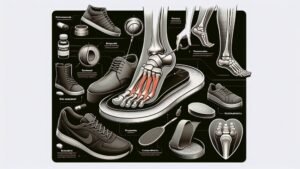
Picking the right gym shoes can be tricky. There are many types and brands. But the right shoes can help you exercise better and avoid injuries. This guide will help you find the best gym shoes for your needs.
Why Are Gym Shoes Important?
Gym shoes protect your feet. They give you support and comfort. Good shoes help you move safely. They also reduce the risk of hurting your feet or ankles. Using the wrong shoes can cause pain or injury.
Types of Gym Shoes
Not all gym shoes are the same. Different shoes fit different activities. Here are some common types:
| Type | Best For | Features |
|---|---|---|
| Running Shoes | Running, jogging, cardio | Lightweight, cushioned, flexible |
| Cross-Trainers | Gym workouts, aerobics, light running | Good support, stable, versatile |
| Weightlifting Shoes | Heavy lifting, powerlifting | Flat sole, firm support, stable base |
| Walking Shoes | Walking, light gym use | Comfort, cushioning, flexible sole |
| Minimalist Shoes | Natural movement, balance training | Thin sole, lightweight, flexible |
How to Choose the Right Gym Shoes
1. Know Your Activity
First, think about what you will do in the gym. Running needs different shoes than lifting weights. Walking shoes are not good for running. Choose shoes that fit your main workout.
2. Consider Your Foot Type
Feet are different shapes. Some have high arches, others have flat feet. Knowing your foot type helps you pick shoes with proper support.
- High arches: Look for cushioned shoes to absorb shock.
- Flat feet: Choose shoes with good arch support.
- Normal arches: Most shoes will fit well.
3. Check The Fit
Your shoes should fit well. Not too tight, not too loose. There should be a little space in front of your toes. Try shoes on with the socks you wear for workouts.
4. Look For Good Support
Support keeps your feet stable. It helps prevent injuries. Shoes with good arch and heel support are best for most gym activities.
5. Think About Cushioning
Cushioning absorbs impact. It makes your steps softer. Running shoes usually have more cushioning. Weightlifting shoes have less.
6. Consider The Weight Of The Shoes
Lighter shoes feel better for fast movements. Heavy shoes can slow you down. But some weight is good for support.
7. Check The Sole
The sole is the bottom part of the shoe. It should have good grip to stop slipping. For lifting, a flat sole helps with balance.
8. Breathability
Shoes that let air in keep your feet cool. This helps prevent sweat and bad smells.
Trying on Gym Shoes
Try shoes on later in the day. Feet can swell after walking or standing. This helps get a better fit. Walk and jump a little to test comfort and support.

Credit: 361sport.com
How to Care for Your Gym Shoes
Good shoes last longer with care. Here are some tips:
- Keep them clean by wiping dirt off.
- Air them out after use to stop smells.
- Use shoe trees or stuff with paper to keep shape.
- Do not wear them outside the gym to avoid damage.
- Replace shoes every 6 to 12 months if used often.
Signs It Is Time to Replace Your Gym Shoes
Shoes wear out with use. Look for these signs:
- The sole is worn or uneven.
- There are holes or tears.
- The cushioning feels flat or hard.
- Your feet hurt after workouts.
- You notice less support or stability.
Tips for Buying Gym Shoes Online
Buying shoes online is easy but tricky. Follow these tips:
- Know your shoe size in different brands.
- Read reviews from other buyers.
- Check the return policy before buying.
- Look for detailed photos and descriptions.
- Buy from trusted websites or stores.

Credit: smashuk.co
Common Mistakes to Avoid
- Buying shoes only because they look good.
- Choosing shoes too small or too big.
- Using running shoes for weightlifting.
- Ignoring signs of wear and tear.
- Not replacing old shoes regularly.
Summary Table: How to Choose Gym Shoes
| Step | What to Do | Why |
|---|---|---|
| 1 | Choose shoes based on your activity | Different activities need different support |
| 2 | Know your foot type | Get proper support and comfort |
| 3 | Try shoes on with workout socks | Ensure correct fit and comfort |
| 4 | Check for good sole grip | Prevent slipping and injuries |
| 5 | Consider cushioning and weight | Match shoes to your workout style |
| 6 | Replace shoes when worn out | Maintain safety and comfort |
Final Thoughts
Choosing gym shoes is important. The right shoes help you exercise safely. They make workouts more comfortable. Spend time picking the best shoes for you. Think about your activity, foot type, and fit. Take care of your shoes to make them last. Replace them when they wear out. Good gym shoes are a smart investment in your health.
Frequently Asked Questions
What Type Of Gym Shoes Is Best For Weightlifting?
Weightlifting shoes have firm soles and good ankle support for stability during lifts.
How Do I Choose Gym Shoes For Running?
Look for shoes with good cushioning, shock absorption, and a snug fit for running.
Can Gym Shoes Prevent Injuries During Workouts?
Proper gym shoes reduce injury risk by providing support and cushioning for your feet.
How Often Should I Replace My Gym Shoes?
Replace gym shoes every 6 to 12 months or when soles wear out.